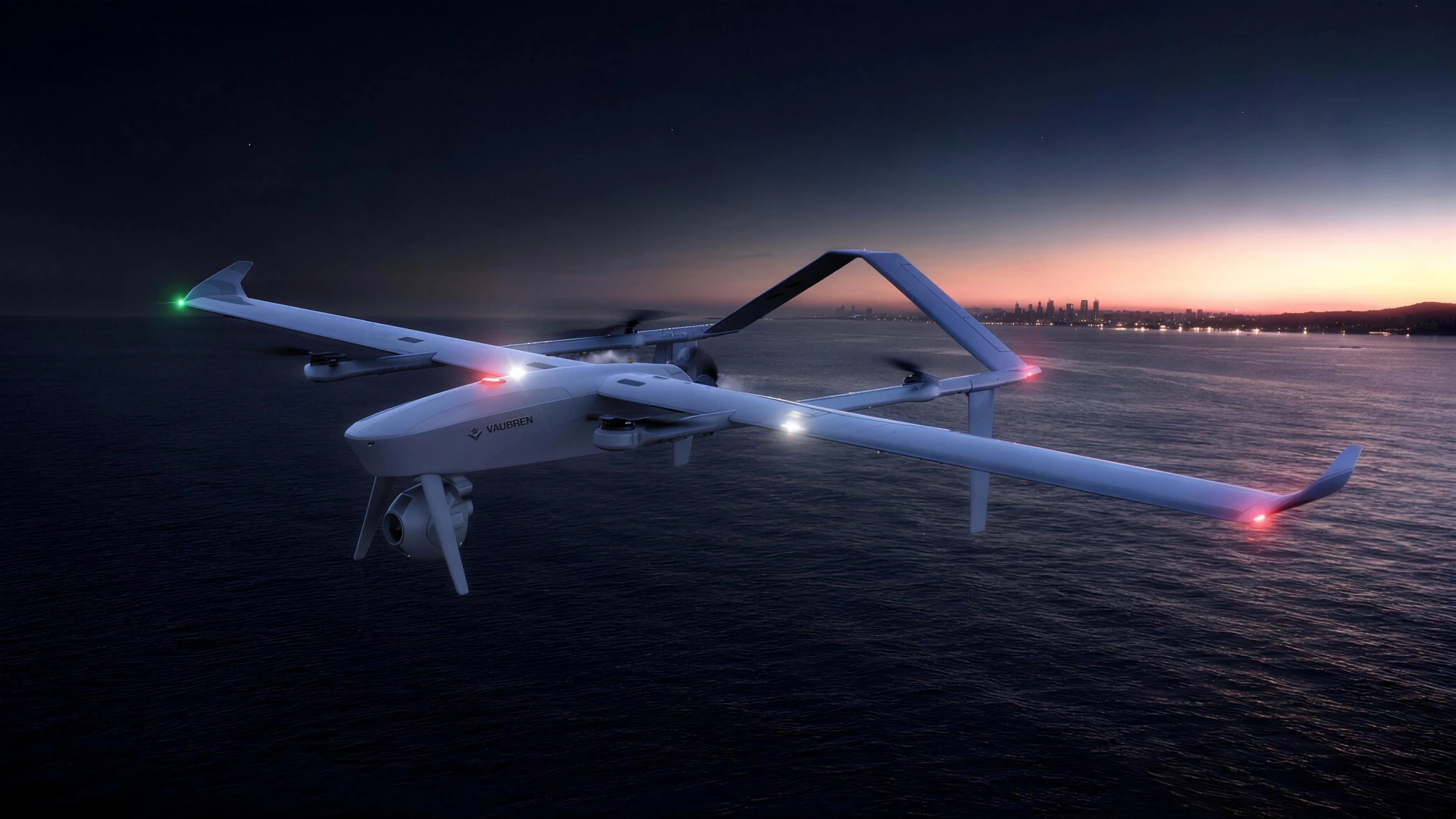
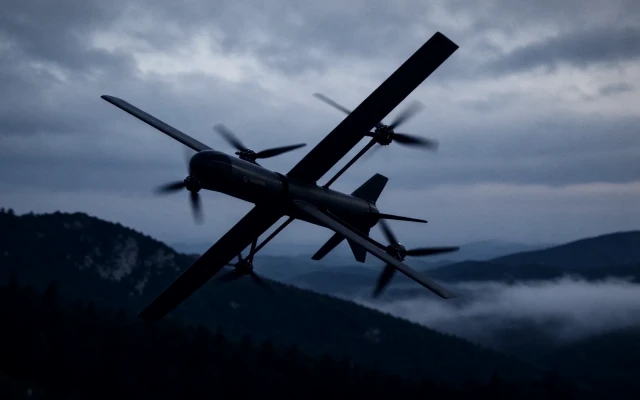
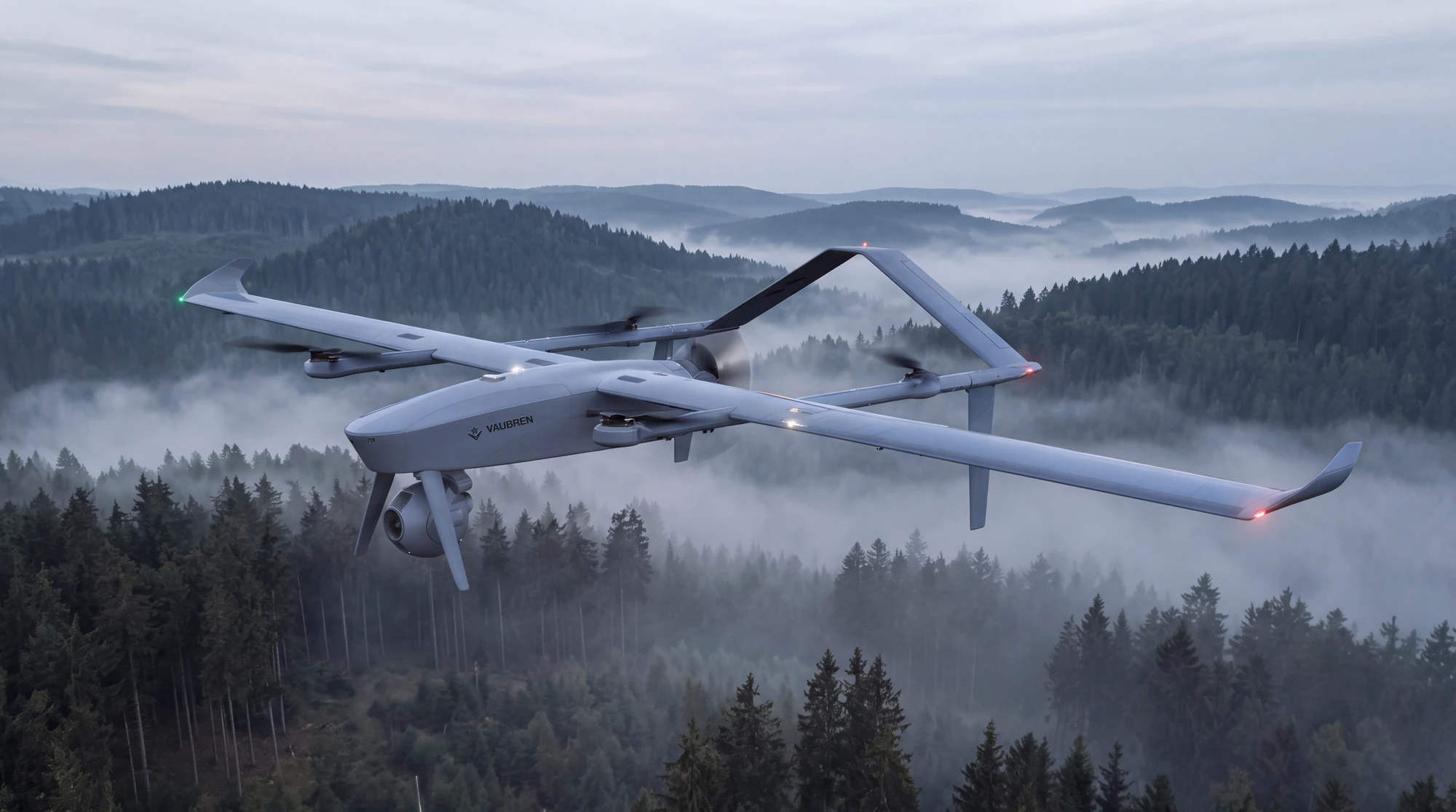
Long-range surveillance aircraft
Glacis
A vertical take-off surveillance aircraft for borders, coasts and critical sites.
Prototype in testing
Explore GlacisVaubren systems
Aircraft, command software, sensing and electronic warfare, developed together and brought into one picture by Citadel.
Missions
Systems
Mission
Persistent watch over borders, coasts and critical sites, from the air and from the ground, reported in one picture.
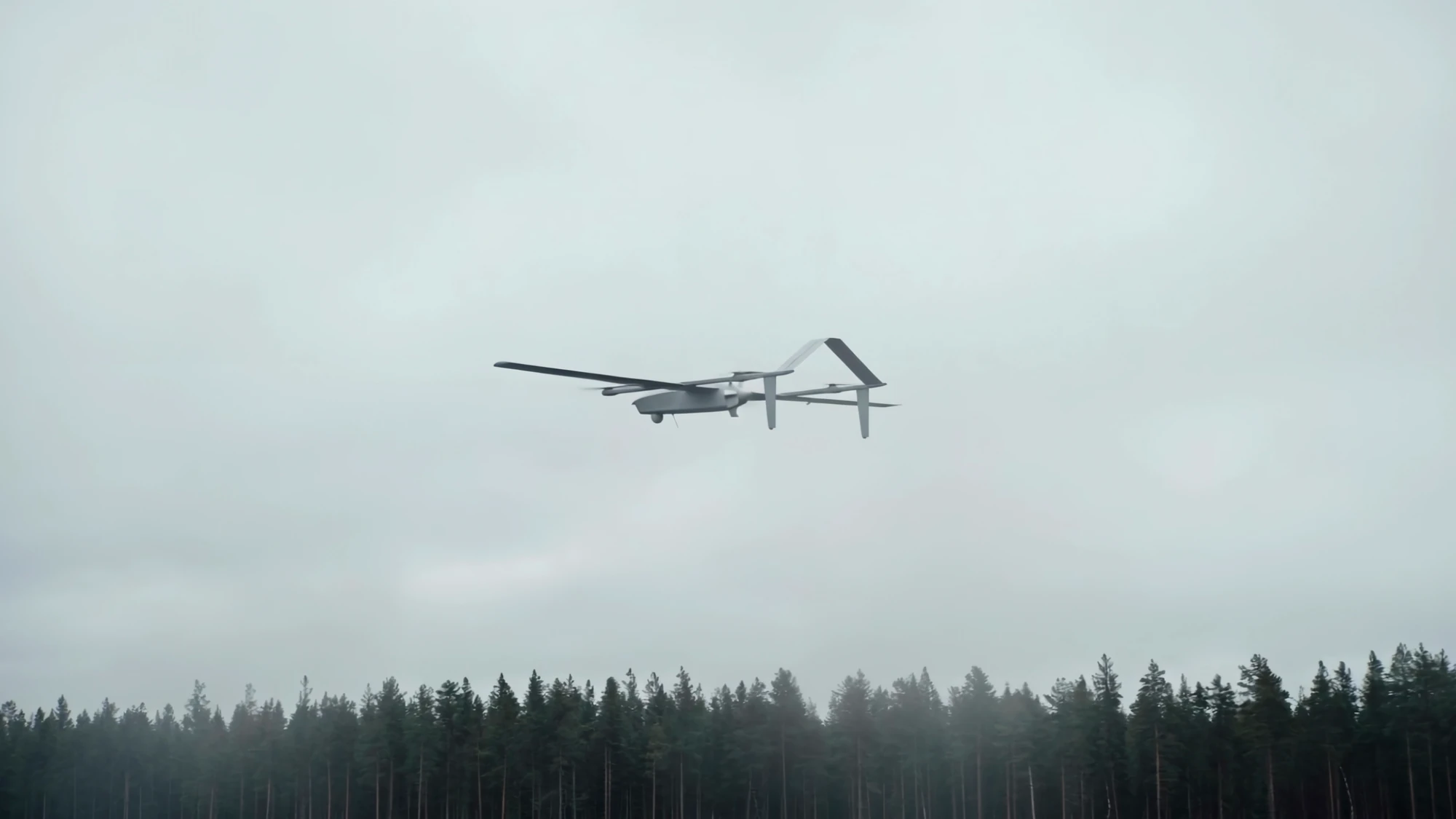
Borders, coastlines and critical infrastructure are long, remote and watched by too few people. Crewed aircraft are expensive to keep in the air. Persistent watch needs uncrewed aircraft and fixed sensors that report to one place.
Glacis
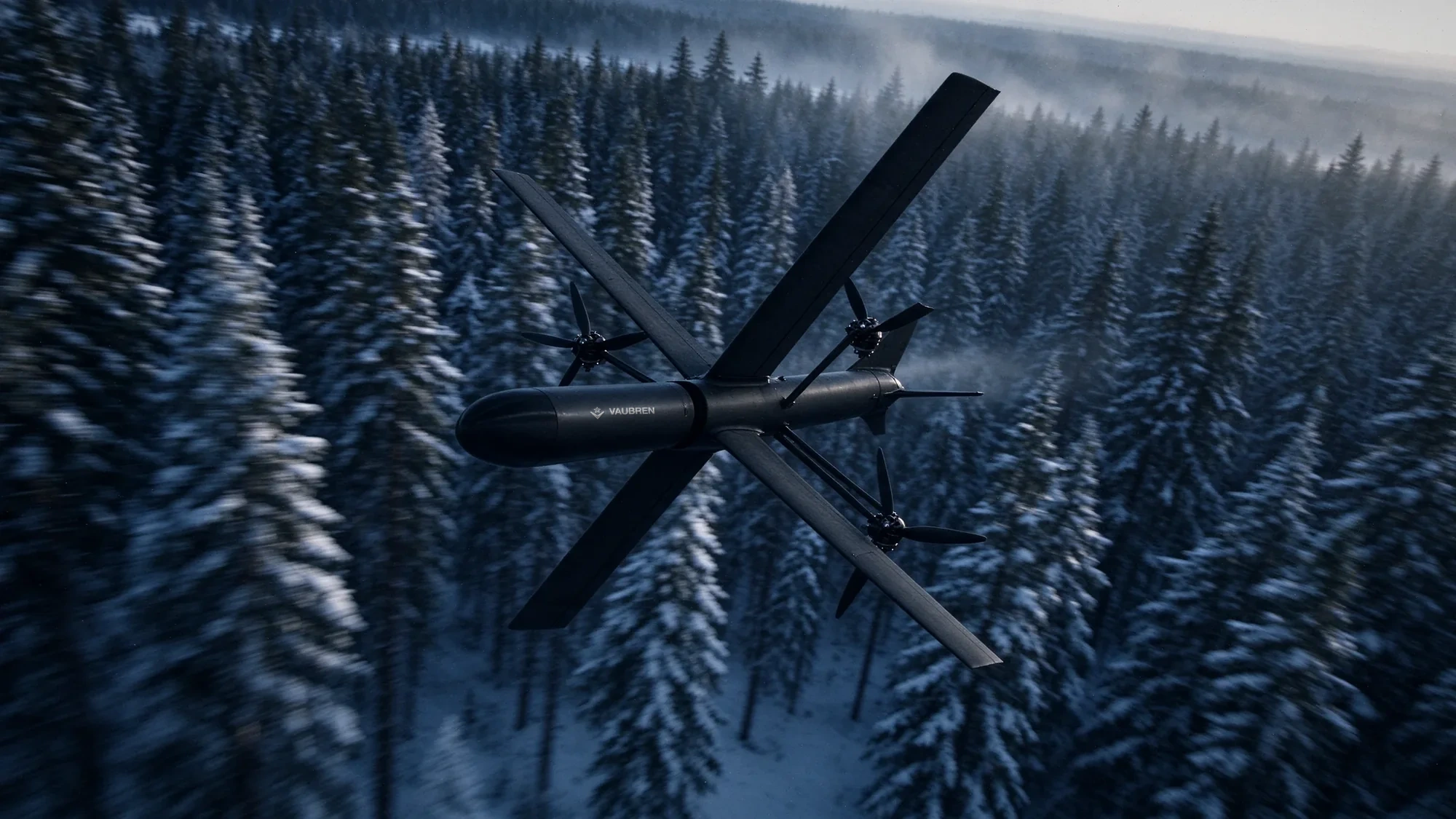
Glacis takes off vertically from any open space. No runway and no launcher.
Glacis
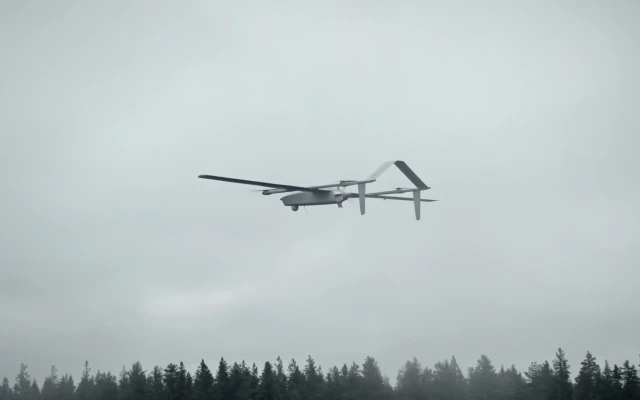
Day and thermal cameras watch the line for long patrols, then the aircraft lands vertically where it is needed.
Headland
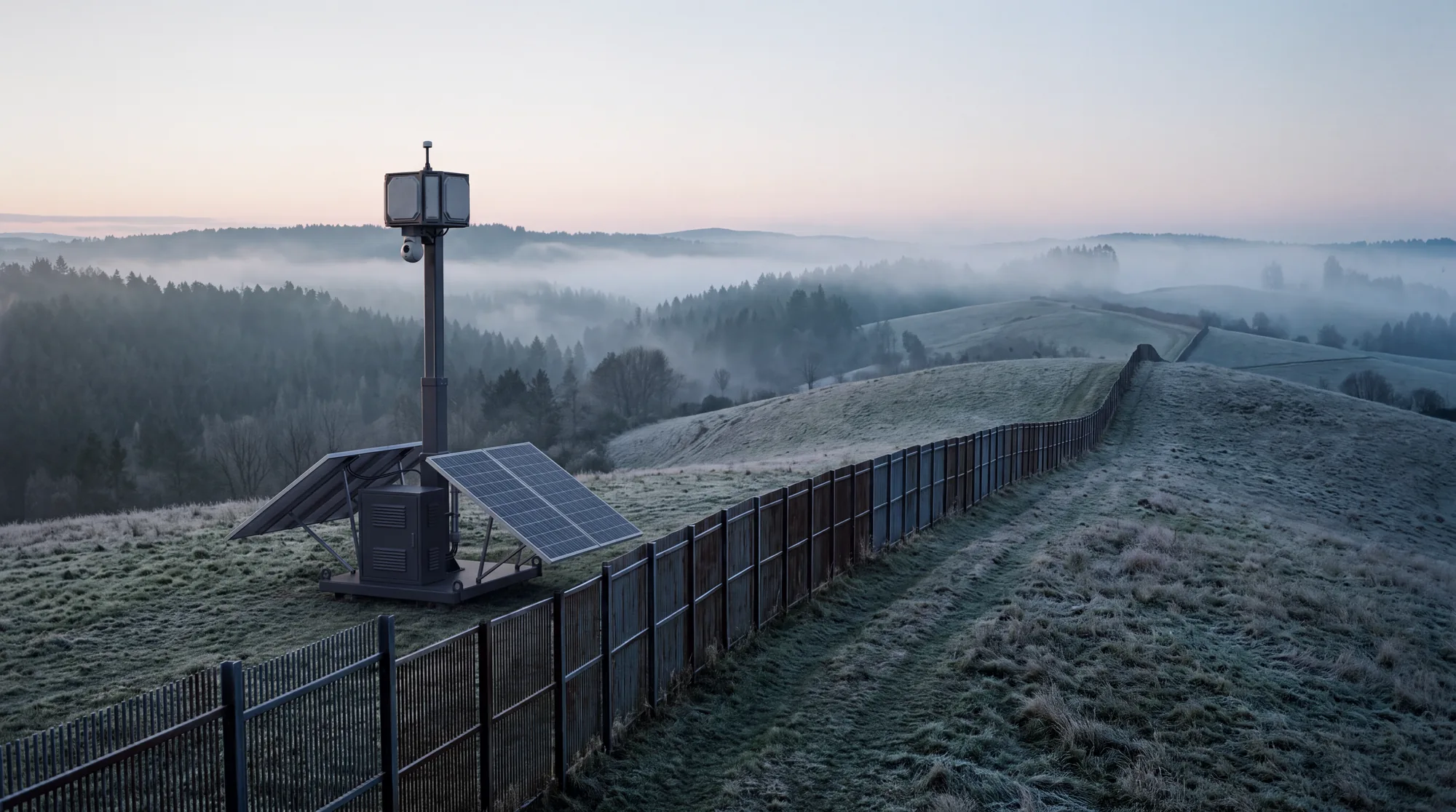
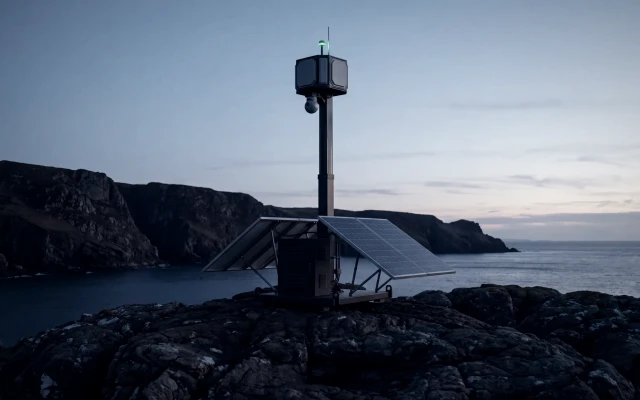
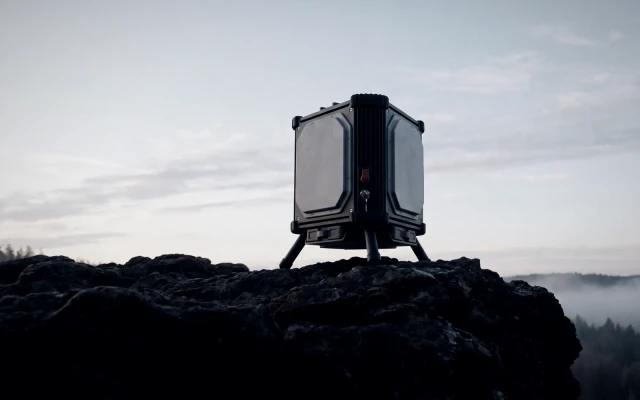
Self-powered towers watch fixed points around the clock, without foundations or a grid connection.
Citadel
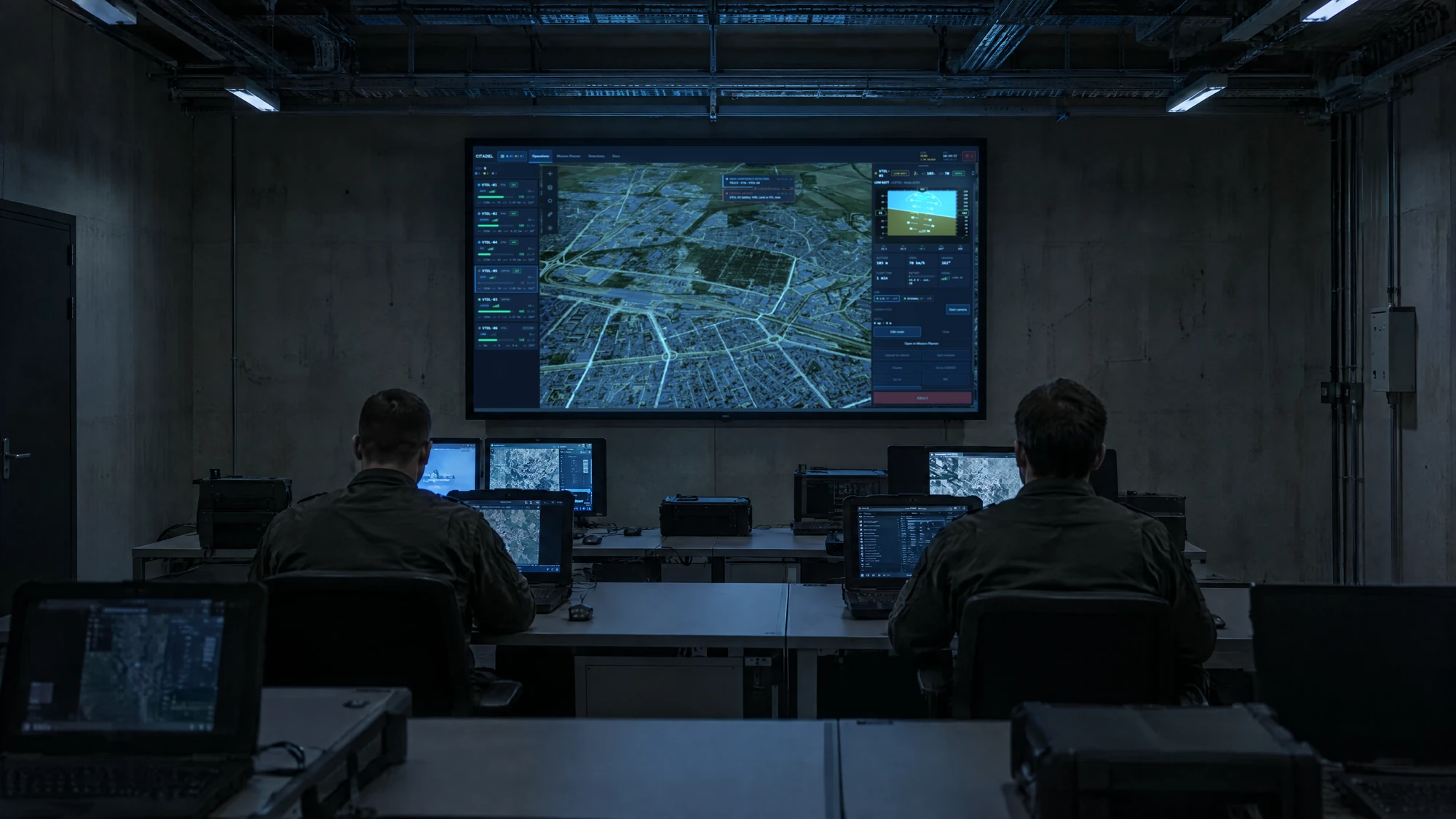
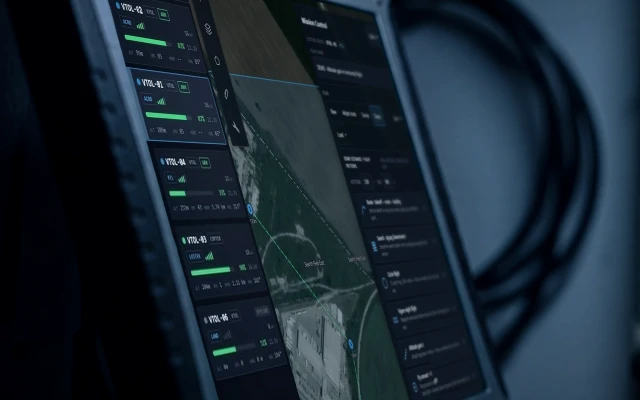
Detections reach Citadel over any available link and appear in one picture for the people responsible.
Long-range surveillance aircraft
A vertical take-off surveillance aircraft for borders, coasts and critical sites.
Prototype in testing
Explore GlacisSensing
A self-powered sensing tower for coasts, ports, borders and critical sites.
Concept in development
Explore HeadlandCommand and control
Mission planning, the live picture and a record of every detection, for review and evidence.
In development
Explore CitadelNothing crosses
unseen.
With your permission, we use Google Analytics to understand how people find and use Vaubren. No advertising tracking. Privacy details.