

Defence R&D Partnerships in Europe: A Practical Starting Point
A practical guide to European defence R&D partnerships: programme fit, project scope, intellectual property and evaluation.
Defence R&D Partnerships in Europe: A Practical Starting Point
A defence R&D partnership brings organisations together to develop and evaluate technology. For a young company, the first useful outcome is a clearly scoped piece of work: who contributes, what will be tested, and who can use the results.
Funding, technical collaboration and procurement are different arrangements. A grant or a successful demonstration does not, by itself, establish a customer order.
VaubrenExplore European Defence R&DVaubren Systems develops unmanned aircraft and command software, and welcomes relevant development and integration enquiries.Explore Vaubren SystemsFind a programme that fits the work
The European Defence Fund supports collaborative defence research and development. Its annual work programmes specify the topics and conditions for each funding opportunity. Before assembling a consortium, check the current call documents for eligibility, ownership and control requirements, the required partners, eligible costs and deadlines. Being incorporated in Europe does not alone establish eligibility.
The EU Defence Innovation Scheme, part of the EDF, provides support intended to help smaller companies and innovators participate in the sector. These are opportunities to investigate, rather than evidence that a particular company has been selected or funded.
NATO DIANA supports selected innovators through its accelerator programme, test-centre network and connections with end users and investors. Its challenge calls and programme conditions should be checked against the proposed technology and the company’s circumstances. Participation should never be described as a NATO endorsement or a procurement award.
Agree what each partner contributes
Before sharing detailed designs or committing engineering time, prepare a short project brief. It should answer practical questions:
-
What problem is the proposed work meant to address?
-
Which organisation supplies each part of the work, facilities and funding?
-
What deliverable would make the first stage useful?
-
Who reviews progress and decides whether to continue?
-
What information can be shared, and with whom?
A first discussion can use a non-confidential summary. Technical disclosure should follow the relevant confidentiality, security and export-control requirements.
Make ownership and usage rights explicit
A joint development agreement records the scope, responsibilities, milestones, resources and treatment of results. DLA Piper’s guidance on joint development agreements distinguishes background intellectual property, brought into the project, from foreground intellectual property created during it.
Ownership and permission to use the results are separate questions. The agreement should identify both. It should also address confidentiality, changes to the work, termination and what each party may do after the collaboration ends.
Exclusivity needs particular care. A broad restriction can limit future partnerships; a right of first refusal can also affect later negotiations. There is no universally suitable structure. These decisions require advice based on the parties, jurisdictions and project. This article provides general information, not legal advice.
Keep a record of what has been demonstrated
An evaluation plan should distinguish objectives from completed results. Record the version evaluated, the conditions, the agreed criteria and the findings. Describe limitations alongside successful outcomes. That gives the next partner a useful basis for discussion without turning an early trial into an unsupported readiness claim.
When contacting a potential collaborator, send a concise overview of the company, the current development status and the specific help or expertise being sought. A defined request is easier to assess than an open-ended proposal to partner.
Working with Vaubren
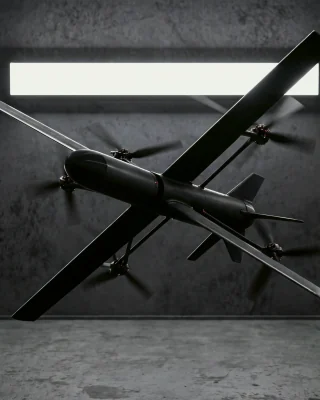
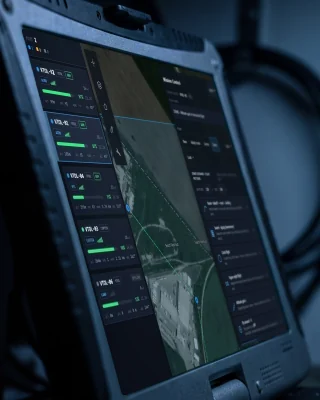
Vaubren Systems is developing unmanned aircraft and command software for European defence. Its aircraft programmes include COBRA, logistics and surveillance aircraft undergoing testing and refinement. Citadel is its command software programme. The company remains in research and development.
Arsenal is Vaubren’s planned campus in Bulgaria. It is not an operational facility.
For a relevant development, evaluation or integration enquiry, contact Vaubren with a non-confidential description of your organisation, the proposed work and the expertise you are seeking.
Sources reviewed 21 October 2026: European Commission, NATO DIANA and DLA Piper, linked above.