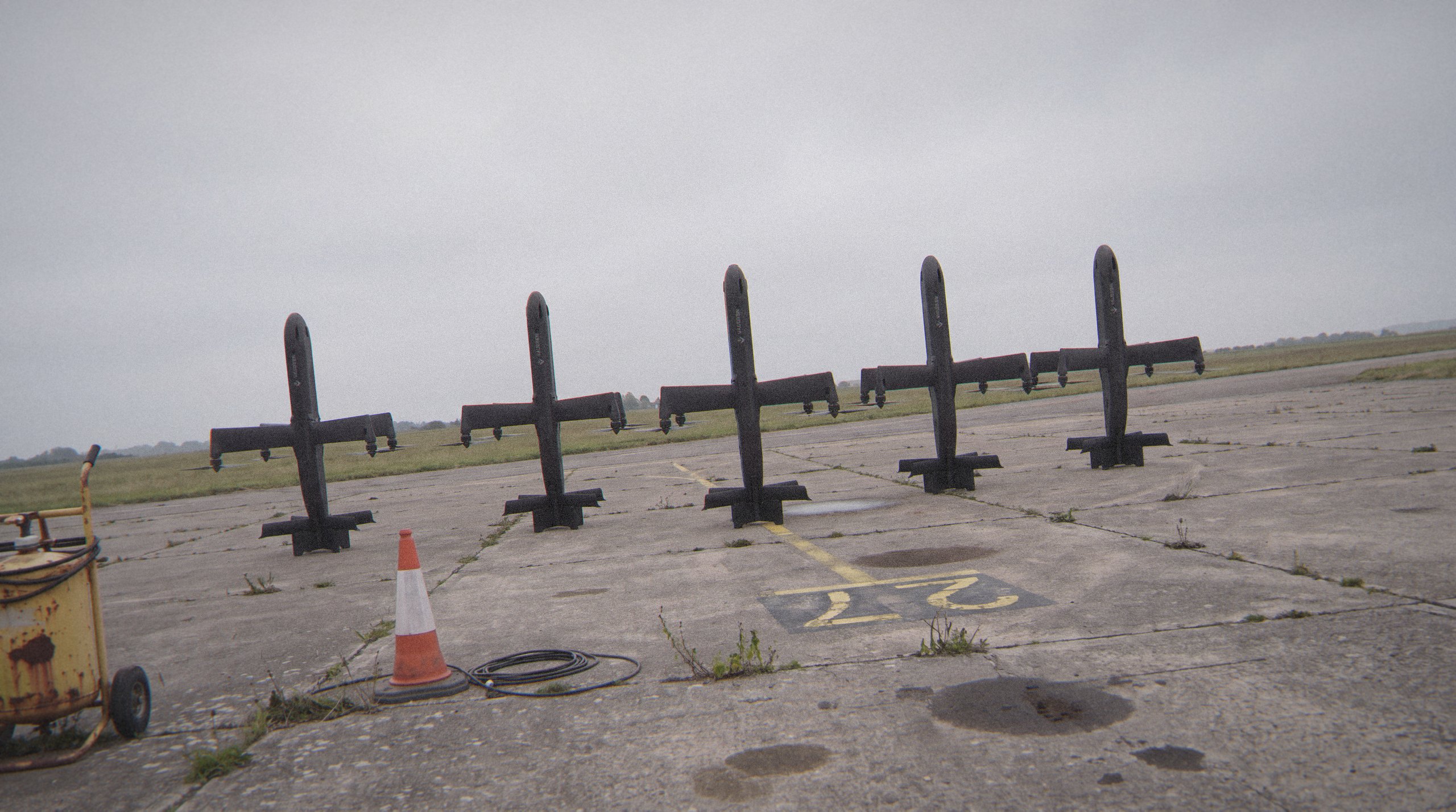
THE VAUBREN EDGE
A hundred thousand machines
are not worth one human life.
That is the arithmetic Vaubren is built on. We put hardware in harm's way so that people are not.
Scroll
That is the arithmetic Vaubren is built on. We put hardware in harm's way so that people are not.
Wars are decided by the side that can lose hardware and keep fighting. Every intercept flown by a machine is a sortie no pilot flies and a position no soldier holds under fire. We design systems to be expendable. People are not.
An interceptor costs a fraction of what it protects and nothing that cannot be rebuilt. A trained operator, a pilot, a crew on the line cannot be rebuilt at all. The edge is not that our machines are clever. It is that they are the ones we are willing to lose.
 WHO GOES FORWARD
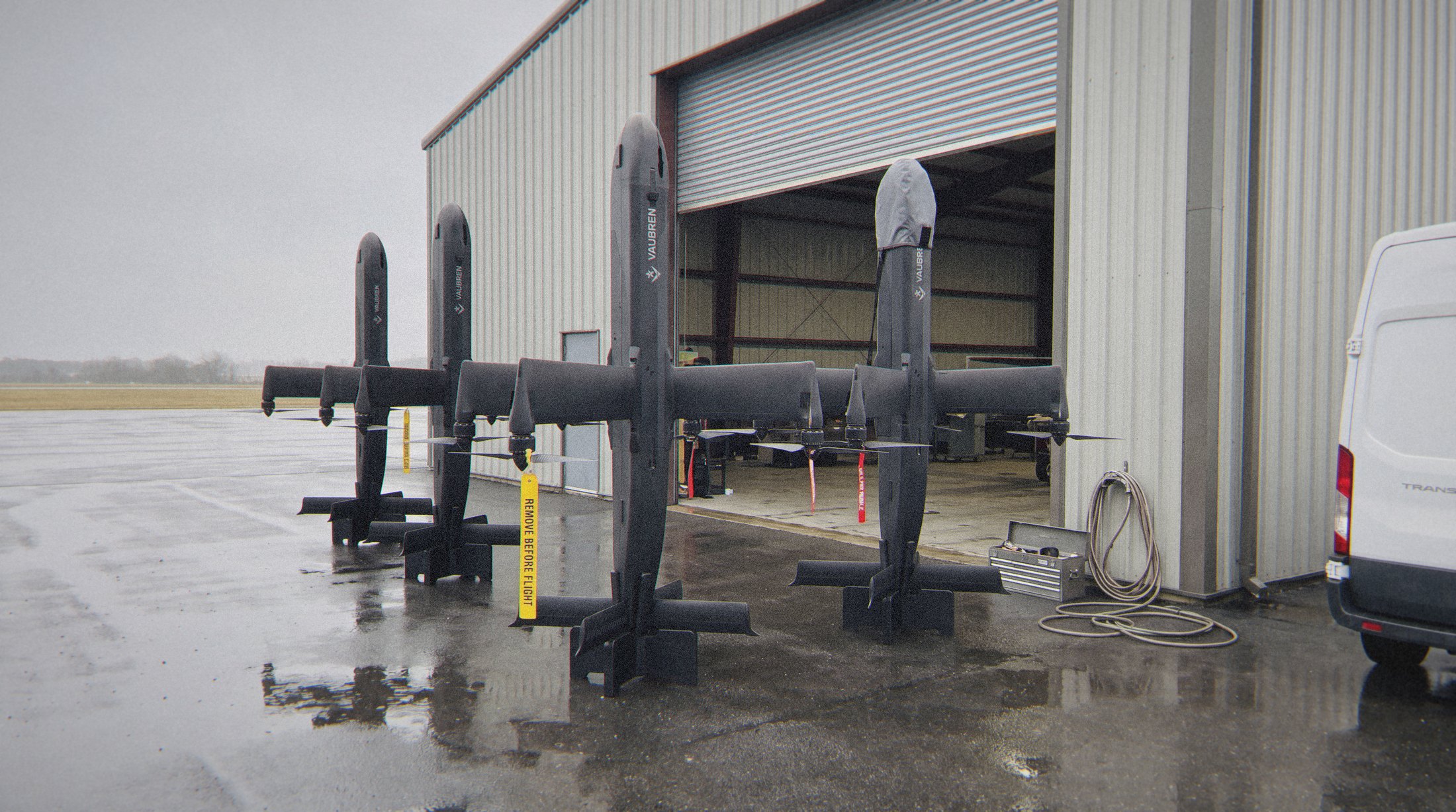
Vanguard is launched to be spent if it must be. It flies into the airspace a person should never have to enter, and if it does not come back, the cost is a serial number and a replacement on the line by morning.
 WHO STAYS IN COMMAND
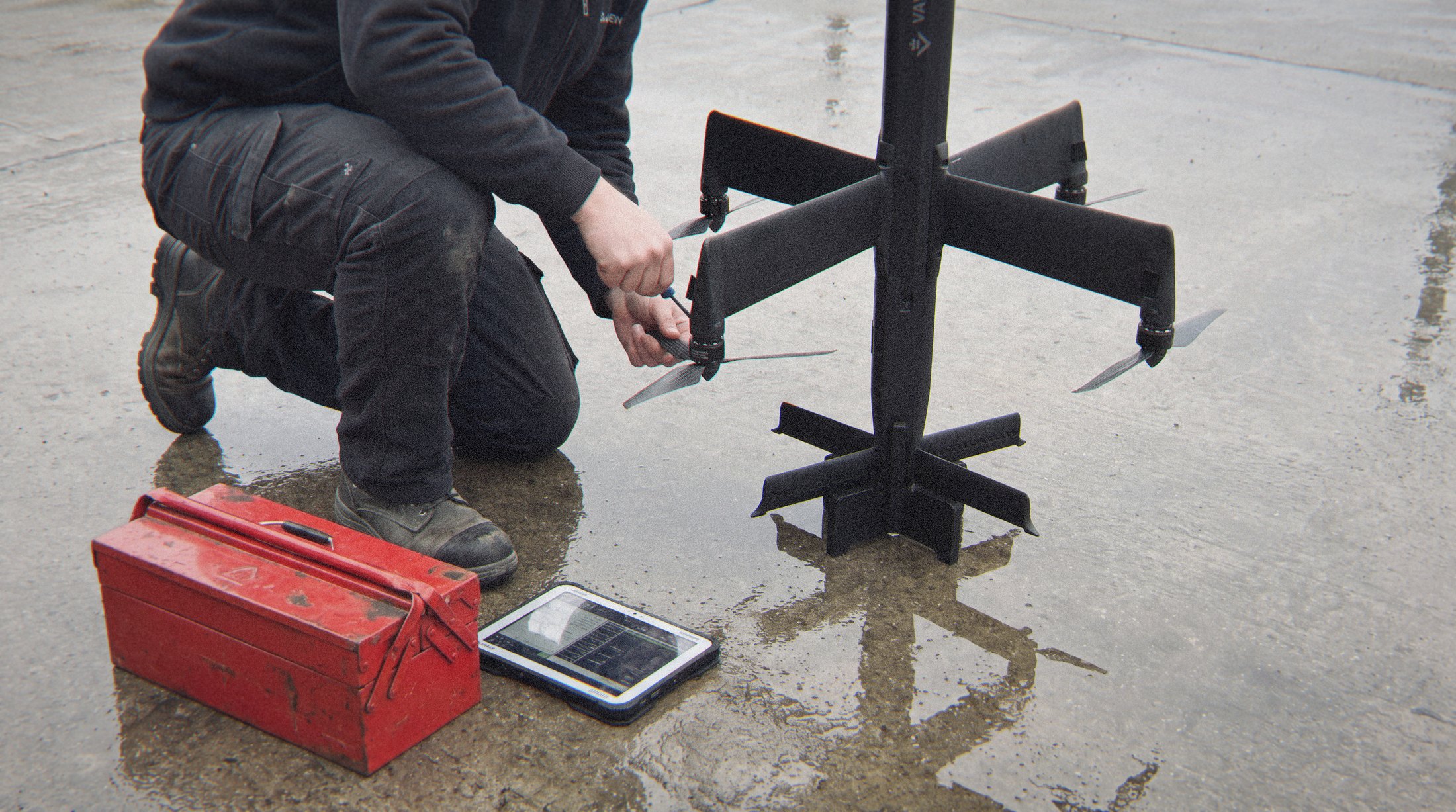
Operators set the target, the rules of engagement and the abort conditions before launch, from a screen and not from the line. Autonomy decides how a mission is finished. It never decides whether there is one.
The response is in position before the threat appears. From confirmed track to airborne interceptor in seconds, with nobody on the flight line.
A deterrent only deters if it can be replaced. We treat the factory as part of the product, so losses are restocked rather than mourned.
Designed and built in Europe for NATO members and close partners, with a supply chain that does not depend on the adversaries it deters.
Every system executes inside bounds a person sets before launch and cannot widen them in flight. Responsibility for an engagement stays traceable to a name.
Everything Vaubren builds follows from that sentence: an interceptor that launches itself, a station that keeps it ready, and software that keeps a human in command of every engagement.